
Funziona il Social Media Marketing?

Proviamo a chiederci in modo semplice: Funziona il Social Media Marketing?

Ovvero: raggiungi tante persone? Tante quante? Dipende: vendi Pringles o vendi Jaguar? Se vendi Jaguar, forse devi chiederti se non sei nel posto sbagliato. Quanti dei tuoi fan o follower riesci a raggiungere, vuoi per colpa di un algoritmo che limita l’esposizione dei tuoi messaggi, vuoi perché, dove un simile algoritmo (ancora?) non c’è, i tuoi messaggi vengono comunque dispersi nel mare magnum dei messaggi di altre persone e aziende?

Oppure: hai contenuti così interessanti che, anche se visti da pochi, vengono però condivisi dai tuoi clienti ai loro amici? Non mi pare. Anche perché spesso non sono di qualità, forse anche perché sono stati esternalizzati – e spesso prodotti da stagisti – proprio quando sembrava che la via maestra per avere successo fosse di produrre tanti contenuti, in modo industriale. Infine, che contenuti interessanti puoi avere, se vendi patatine fritte?

Power Out? No problem

Proviamo con un (supposto) caso di successo. Questo tweet dei biscotti Oreo (i biscotti Ringo Boys originali americani) durante il SuperBowl del 2013, scritto quando saltò l’illuminazione allo stadio, è passato alla storia come uno dei tweet commerciali più di successo di sempre. Non lo dico io; lo dice Wired. E tutti i premi che hanno vinto.

Secondo il Professor Mark Ritson, autore di questo meraviglioso video dal titolo Social Media is a waste of time for Marketers, meno dello 0,2% degli americani che comprano i biscotti Oreo ogni anno hanno visto quel tweet. Ora, benissimo tutti i premi del cazzo vinti. Ma che sia il caso di chiedersi che impatto potrà mai aver avuto sulle vendite?

Quindi, per tornare a noi: è davvero così assurdo o così da restauratori da Congresso di Vienna dire, come dice Gianluca, che ha molto più senso produrre meno contenuti che tanto non si fila nessuno e cercare di far sì che siano migliori di quelli attuali e meritevoli di essere poi promossi sui Social Media a pagamento? A me sembra solo buonsenso.

The Problem With Targeting

In Chapter 3 of my book, I wrote:

Last but not least, there is the unspeakable truth in an era in which we have come to idolise Social Media: the New Yorker was much more of a real Social Network and of a Community than Facebook or Twitter ever were or ever will be! The New Yorker was, as Steve Harrison put it, “both an extension of the individual and a place of communion to which they came for their shared experience”.

I closed the Chapter by asking:

Could the fact that we’re missing a common shared vision of the world like the one we had as readers of the NY Times or of The New Yorker be detrimental not only to the fate of our democracies, but to advertising as well?

While looking for a possible answer, I came across an article that goes against the conventional wisdom: not Half of my advertising is wasted, but I don’t know which half, as Wanamaker loved to quip; but rather: The Waste in Advertising Is the Part That Works.

Just like elaborate deer’s antlers or long peacock tails in the animal world (see: The Handicap Principle), lavish, even extravagant ad spending on the part of a company may signal a high-quality, successful brand that is confident consumers will try and buy their quality products over and over again so that they will be able to recoup their investment.

On the other hand, the argument goes, advertising on the web makes it possible for any small company to buy ads and act as if they were a big, confident and successful company.

Do I agree? Only in part: I look at a number of clues in order to make a guess about quality and reliability, and I think lavish ad spending could just as well signal an ego problem, a miscalculation or an attempt to brainwash consumers, for example to sell them products “unsafe at any speed”. Or that a company is selling crap at a premium price and can afford to continue advertising it. Soda, anyone? Or junk food? No, thank you.

Don Marti: The Problem With Targeting

However, I found a second and related argument much more interesting: on the web, low ad prices and targeting have made it unnecessary for a company to have to show their true colours and their confidence in their products to all their potential customers.

Or, as Richard Stacey put it:

The issue with targeting is that after a while, you narrow things down to the point where you stop having a group large enough to constitute an audience and end up with a group of individuals.

With enough slicing and dicing, a company can save money, but could risk ending up looking like the dishonest politician who crafts different speeches for different audiences, to the point that, as Don Marti explains, a consumer could think that:

With good enough targeting, you could be the one poor loser who they’re trying to stick with the last obsolete unit in the warehouse.

Apparently, consumers somehow understand this; they dislike tracking and targeting and dislike it even more the more they understand how it works. And there is no doubt: adoption of ad blocking and tracking protection tools is going and will go up.

So, the very fact that print ads are less targetable, force companies to speak to the whole audience and in doing so help them being perceived as trustworthy instead of sneaky is one of the reasons why ads in newspapers and magazines are more effective than ads on the web and can command a much higher price. I like this counter-intuitive theory a lot.

Plug for my Book

To find out about other ways in which companies are compromising their brands, wasting their marketing money and making fools of themselves, and to try to find an antidote to all this madness, check out: What Happened To Advertising? What Would Gossage Do?
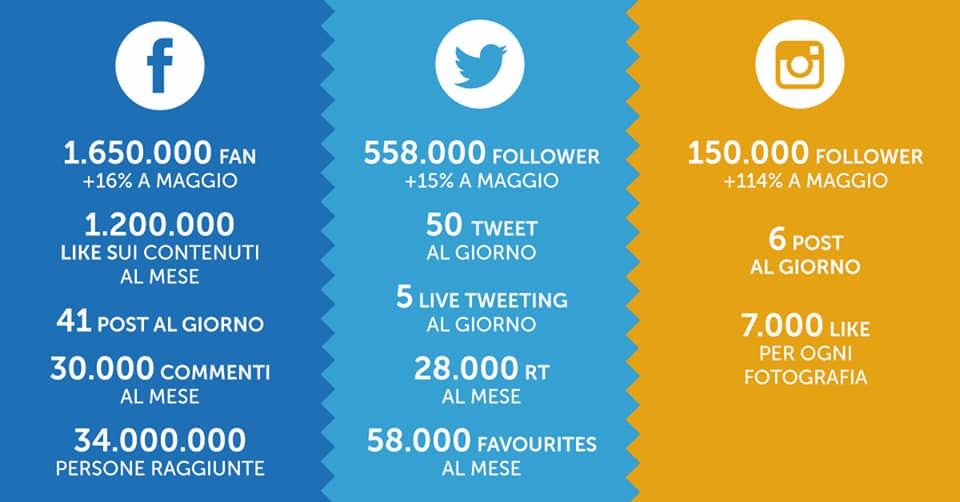
The real real data

I came across a very interesting post on Facebook from the team that is handling Social Media for Expo 2015 in Milan. How is the event going? We don’t know. The organisers and/or City Hall and/or the national government, it’s not clear, decided not to give us, you know, the stupid citizens who actually paid for this event with our taxpayer money, any numbers. Total number of tickets sold? We don’t know. Average attendance at the event compared to the 100,000 people per day they were expecting? Same as above.

What we do know, on the other hand, is how many fans and followers Expo has; how many posts and likes and comments; tweets, and retweets, and live tweets etc. You name it, we have the data. Does all this activity lead to ticket sales? No, we don’t know that, either.

Il business del secolo

Gli apologeti del “digitale” italiano mi fanno tanto sorridere. I soldi, soprattutto se non sei nella Valley, li si fanno come sempre: con gli schiavi.

Che arrivano sempre da dove furono prelevate con la forza milioni di persone per raccogliere il cotone negli USA o lo zucchero da canna in Brasile.

Dove, quando finalmente abolirono la schiavitù, i fazenderos pur di non pagare i neri invitarono là a raccogliere il caffé disperati italiani e portoghesi…

Secondo il famoso demografo Hans Rosling, in Africa nel 2000 c’erano 1 miliardo di persone; che saranno 2 miliardi nel 2050, e 4 miliardi nel 2100.

La “sinistra” (e anche la destra, e la chiesa, e chissà chi altro ancora) è seduta su un business che in confronto Google è una minchiata da due lire.